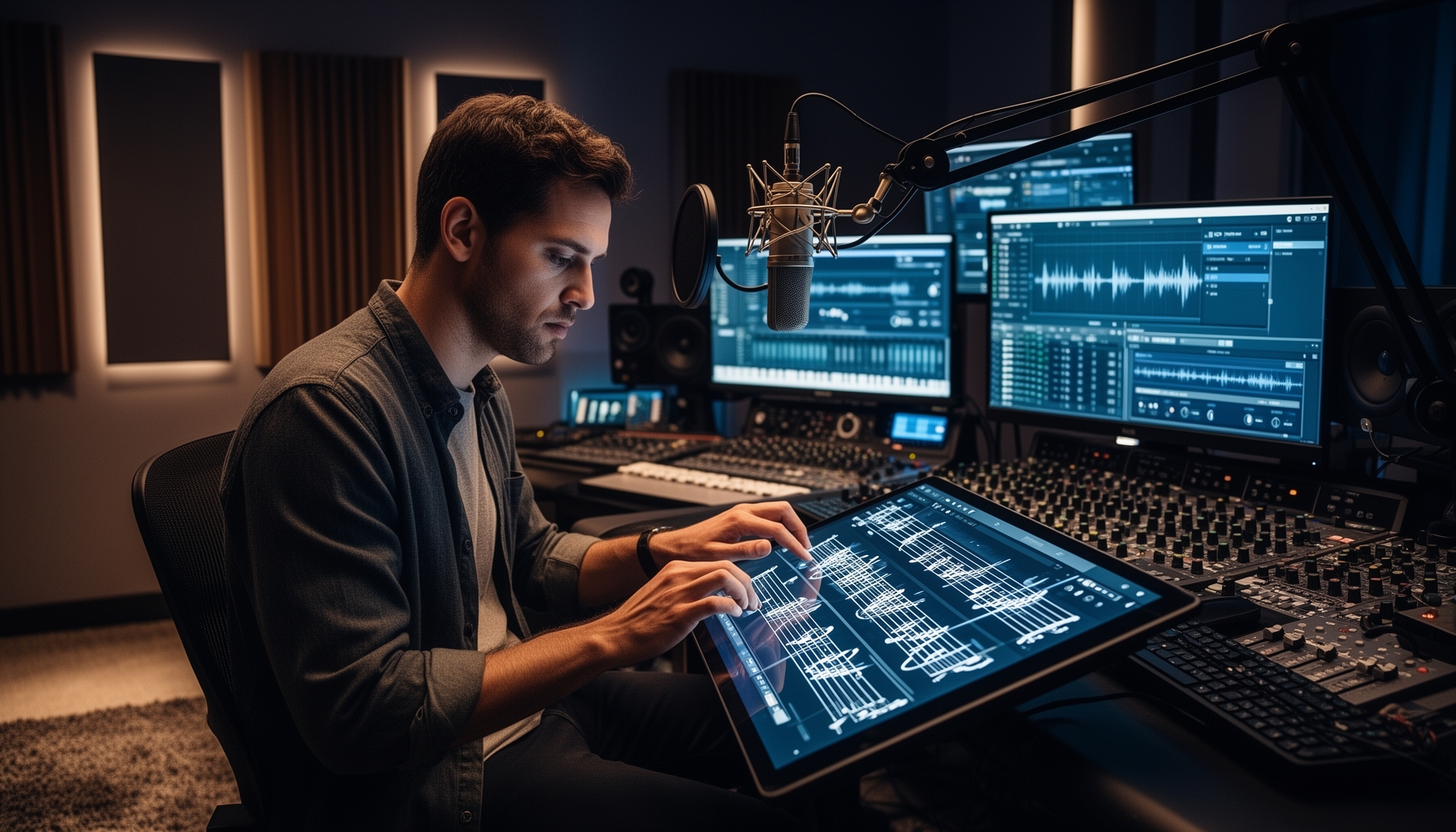
In today’s digital era, you can craft your own song with AI using a step-by-step guide that navigates through the intricacies of AI-driven music production. No longer confined to traditional methods, artists can now integrate innovative technology like Suno and ChatGPT to transform bold ideas into dynamic musical compositions. This guide is tailored for both beginners looking to dip their toes into AI music creation and seasoned musicians eager to elevate their craft with state-of-the-art technology.
Getting Started: Setting Up Your AI Toolkit
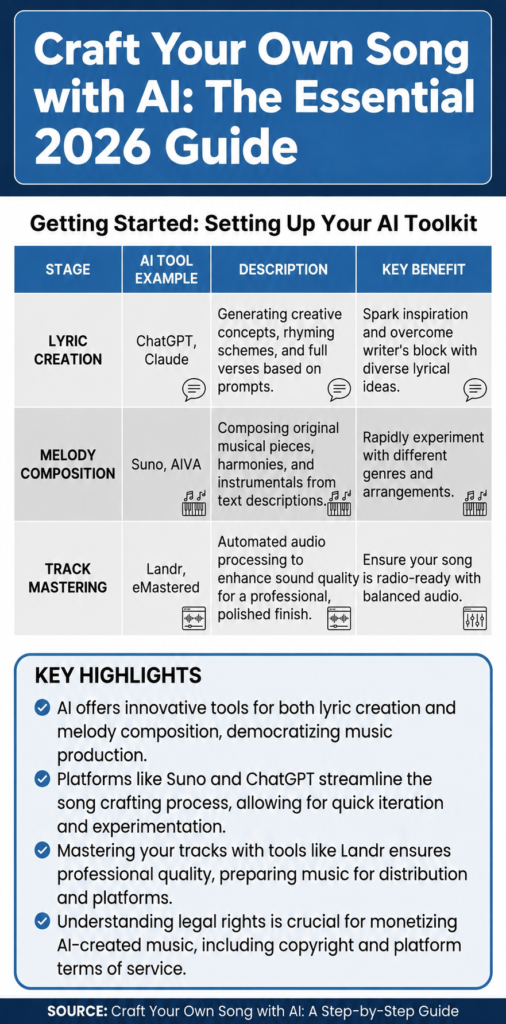
Before you dive into music creation, assembling the right tools is crucial. For lyrics, ChatGPT stands out as an intuitive AI model capable of generating nuanced and sophisticated lyrical content. Meanwhile, Suno offers a robust platform for melody composition. Together, these tools form a powerful toolkit that empowers you to explore the vast possibilities of AI in music. Ensure your system meets the necessary specifications to run these applications smoothly, as seamless operation is paramount to an unhindered creative process.
Mastering AI-Powered Lyricism with ChatGPT
Lyricism is the soul of any song. With ChatGPT, creating engaging lyrics is more accessible than ever. Start by providing the AI with thematic prompts. For instance, if you’re crafting a love ballad, input key phrases like ‘eternal love’ or ‘heartfelt journey’. Experimentation is key; try different prompts to discover what resonates best with your artistic vision.
Moreover, ChatGPT allows for iterative refinement. Generate a base set of lyrics, then refine the output by specifying nuances such as tone, mood, or even rhyme schemes. This process not only fosters creativity but also ensures your lyrics maintain depth and coherence.
Creating Melodies with Suno: From Concept to Composition
Suno excels at transforming lyrical concepts into cohesive melodies. Start by uploading your lyrics and selecting a desired genre. Suno offers a plethora of styles from jazz to electronic, allowing you to tailor your music to your intended audience.
Once the initial melody is generated, use Suno’s editing tools to tweak elements such as tempo and key signature. This ensures the melody aligns perfectly with your lyrical composition. Remember, the aim is to create a balanced interplay between the lyrics and the music, enhancing the overall emotional impact.
Refining and Mastering: Bringing It All Together
After the basic song structure is complete, refining and mastering become the focal points. Tools like Landr can be utilised for final mastering, offering AI-enhanced audio post-production capabilities to ensure your song sounds polished and professional.
This stage often involves taking AI-generated stems and integrating them into a Digital Audio Workstation (DAW) like Logic or Ableton for finer adjustments. Here, you can replace AI-generated vocals with human tracks or add additional instrumental layers, creating a richer sonic landscape.
Monetising Your AI-Crafted Song
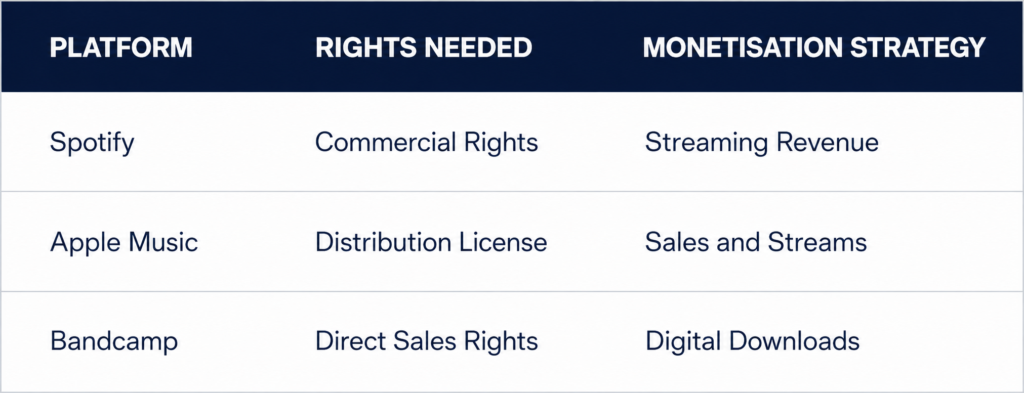
Once your song is polished and ready, the next step is monetisation. Understanding the legal landscape is crucial here. Different platforms have varying rules regarding AI-generated content. For example, ensure you have the commercial rights to distribute your song on platforms like Spotify or Apple Music. Creating an airtight legal strategy will safeguard your intellectual property and maximise your earning potential.
Checkout some of My Creations
Frequently Asked Questions
Begin by setting up AI tools like ChatGPT for lyrics and Suno for melody composition. Follow our step-by-step guide to integrate these tools into your creative workflow.
Yes, but you must ensure you have the appropriate rights to distribute AI-generated content on music platforms like Spotify and Apple Music.
ChatGPT is ideal for lyric creation, while Suno excels in melody composition. Combine these with mastering tools like Landr for a comprehensive music production suite.
Absolutely. By understanding and acquiring the necessary rights, you can monetize your music through streaming platforms and direct sales.
ChatGPT uses deep learning models trained on vast datasets to generate lyrical content based on provided prompts and themes.