
Key Takeaways
- The integration of AI in writing enriches youth’s skillset, promoting digital literacy and creativity.
- Empowering youth through education and technology prepares them for future challenges.
- Future-ready writing skills enable effective digital advocacy and global engagement.
Key Answer
‘Empowering Youth: Writing ‘Future Ready” equips young Sri Lankans with essential skills in AI, digital literacy, and critical thinking, preparing them for future success in an interconnected world.
In today’s rapidly evolving digital landscape, the notion of ‘Empowering Youth: Writing ‘Future Ready” is not just an aspirational goal–it’s a necessary strategy for navigating the complexities of our interconnected world. Through my experiences across multiple continents, and particularly in Sri Lanka, I’ve seen firsthand the transformative power of equipping young people with the skills and confidence to thrive in the AI Age.
A Vision for Future-Ready Skills
In writing ‘Future Ready™ – Small Steps. Big Dreams.’, my primary goal was to bridge the gap between traditional literacy and the modern demands of the digital world. As we propel into an era where AI dominates, it’s vital for young people to develop skills that go beyond conventional education. This book aims to arm them with the tools needed to not only adapt to but also shape the future landscape.
The term ‘future-ready’ implies more than just technical know-how. It encompasses a holistic approach to education–fostering digital literacy, enhancing critical thinking, and promoting adaptability. These skills are essential for navigating the rapid technological changes defining our era.
| Skill | Description | Importance |
|---|---|---|
| Digital Literacy | Understanding and effectively using digital tools and platforms. | Fundamental for engaging in the modern workplace and society. |
| Critical Thinking | Analyzing information objectively to make reasoned judgments. | Vital for problem-solving in complex environments. |
| Adaptability | Ability to change in response to new conditions. | Essential for continuous personal and professional growth. |
Empowering Through AI and Writing
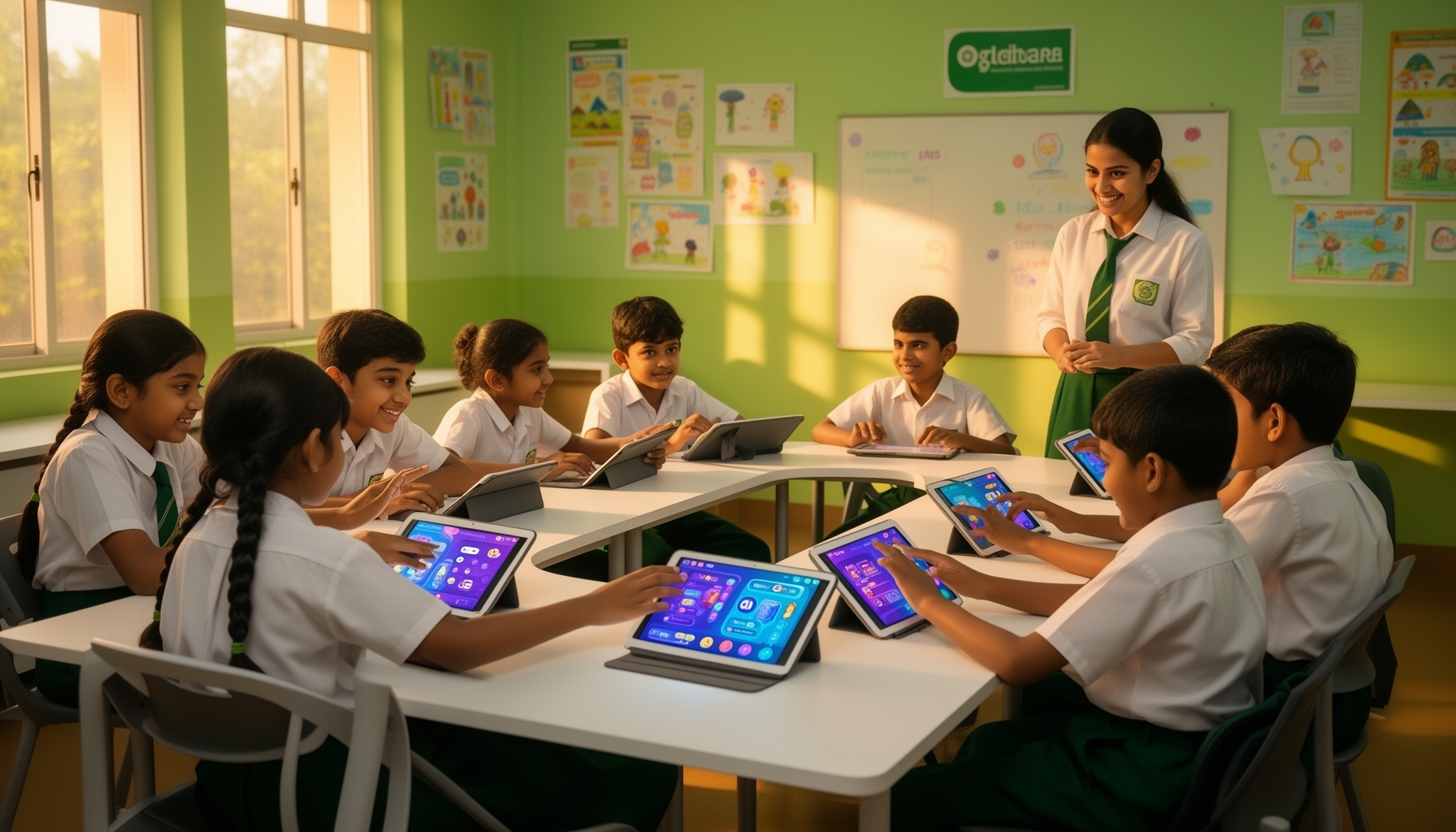
The core of empowering youth lies in integrating AI technology with writing skills. By doing so, we not only enhance communication capabilities but also foster a deeper understanding of digital ethics and AI functionalities. This integration encourages students to view technology not as a replacement for human skills, but as a complement that enhances their potential.
Engaging with AI-driven writing tools enables students to improve their writing style and efficiency, providing instant feedback and opening new avenues for creativity. These tools are especially useful in places like Jaffna, Sri Lanka, where access to traditional resources might be limited, but digital tools can bridge the gap.
Expert Perspective
Tech Entrepreneur and Author
Empowering youth with ‘Future Ready’ writing skills is crucial in our digital age. It’s not just about adopting new technologies; it’s about fostering a mindset of continual learning and adaptability. By supporting young people in developing these skills, we ensure they can navigate and shape the future landscape confidently.
Creating a Culture of Learning
In my work with organisations across the globe, I have seen that the key to successful digital transformation lies in cultivating a culture of learning. This means creating environments where curiosity is encouraged, questions are welcomed, and experimentation is valued. In the context of education, this involves supporting teachers to embrace new methodologies and tools to better prepare students for an AI-influenced future.
In Jaffna, the Young Leaders Programme (YLP) serves as an exemplary model of how education can evolve. By focusing on leadership and practical skills, YLP equips students to address real-world challenges innovatively and effectively.
Translating Writing Skills into Digital Advocacy
One critical aspect of ‘Future Ready’ writing is its role in digital advocacy. Writing is not only a personal skill but also a tool for influencing public opinion and driving social change. As young people develop their voice, they learn to engage thoughtfully and constructively in digital environments, advocating for causes they are passionate about.
In Sri Lanka, where community voices are increasingly amplified through digital platforms, empowering youth with future-ready writing skills ensures they can participate in global dialogues and advocate effectively for local issues.
Final Thoughts
Writing ‘Future Ready’ is about more than just preparing for the digital age–it’s about ensuring that young people in Sri Lanka and beyond can confidently navigate and influence the future. By equipping them with the skills and mindset needed to thrive in an AI-driven world, we not only prepare them for professional success but also empower them to become proactive global citizens.
As I continue to engage with educational initiatives and thought leadership, my mission remains clear: to inspire the next generation to take bold steps towards their big dreams, supported by a robust framework of future-ready skills and knowledge.
Frequently Asked Questions
The core skills include digital literacy, critical thinking, and adaptability, each essential for navigating technological changes.
AI tools enhance writing by providing instant feedback, improving style and efficiency, and fostering creativity.
Digital advocacy empowers youth to engage in global dialogues, advocate for their communities, and drive social change.
YLP focuses on developing leadership and practical skills, preparing students for real-world challenges in an AI-influenced future.
Teachers can embrace new methodologies and digital tools to better prepare students for an AI-influenced future.