
Key Takeaways
AI will transform rather than replace jobs, focusing on augmenting human roles.
Effective communication and involvement of employees are key to successful AI integration.
Upskilling is essential for preparing a workforce for AI augmentation.
Key Answer
AI won’t replace your employees; it will change the nature of work. Leaders must focus on integrating AI with human skills to enhance productivity, not eliminate jobs.
As the AI revolution sweeps across industries, one pressing question lingers in the minds of many SME owners: Will AI replace my employees? This concern is not just about the technology itself, but also about how it could reshape the workforce and impact job security.
In my experience working with various SMEs, I’ve found that the fear of AI isn’t merely about the machines taking over. It’s about uncertainty–about the nature of work changing in ways we might not fully understand yet. This article aims to dissect these concerns, offering insights into how AI will likely change job roles rather than eliminate them, and how business leaders can effectively communicate and implement AI strategies.
Understanding these dynamics is crucial for business leaders aiming to integrate AI successfully. It requires a careful balance of technological adoption and human resource management to foster an environment where AI enhances rather than replaces human contributions.
Understanding Employee Fears About AI
One of the most pervasive fears employees have about AI is job security. The thought of being replaced by a machine can be daunting. However, it’s crucial to understand that their apprehension often stems from not the AI itself, but the potential of losing their livelihood.
I have found that early recognition of these concerns by leadership can significantly help in mitigating anxiety. Encouraging open dialogues where employees can express their fears and aspirations regarding AI adoption is a powerful first step. This approach not only builds trust but also ensures that any transition aligns with the workforce’s expectations and capabilities.
Will AI Replace Jobs or Transform Them?
Rather than outright replacing jobs, AI is likely to transform them. Tasks that involve repetitive and routine processes are most susceptible to automation. Think about data entry or basic customer service inquiries–these are areas where AI can significantly increase efficiency.
On the other hand, human skills such as emotional intelligence, creativity, and complex problem-solving become even more valuable. Jobs that require these skills are likely to evolve rather than disappear. For instance, roles in customer relationship management will increasingly rely on human intuition and empathy, complemented by AI tools that handle analytical tasks.
Job Function | Potential Impact of AI | Human Skills Involved |
|---|---|---|
Data Entry | Automated | Attention to Detail |
Customer Service | Enhanced by AI | Emotional Intelligence |
Creative Roles | Transformed | Creativity |
Expert Perspective
AI Workforce Strategist
As a hand on and educator in AI and workforce transformation, I believe the integration of AI into SMEs is less about replacement and more about enhancement. It’s about creating an environment where AI and human capabilities synergise to drive innovation and efficiency. The path forward involves strategic planning, transparent communication, and continuous learning, ensuring both businesses and employees thrive in this new era.
Communicating AI Strategy Without Panic
Communicating AI strategies requires transparency and reassurance. When introducing AI, it’s essential to focus on the opportunities it brings rather than the disruptions it may cause. Leaders should emphasise the strategic partnership between AI and human workforce, highlighting how AI can handle mundane tasks, freeing humans to focus on more meaningful work.
Building trust involves clear, consistent communication. I recommend that leaders involve employees in the AI integration process by asking for their input on which tasks they believe should be automated. This inclusion not only assuages fears but also encourages a collaborative environment where AI is seen as a tool for empowerment.
Involving Employees in AI Integration
To foster a positive attitude towards AI, employees should be actively involved in identifying and suggesting areas where AI could be beneficial. This participatory approach ensures that AI is perceived as a collective endeavour rather than an imposed change.
I advocate for workshops and brainstorming sessions where employees can discuss and explore AI opportunities. This not only helps in identifying repetitive work that can be automated but also empowers employees to take part in shaping the future of their workplace.
Deciding Which Work Should Be Automated
Deciding which tasks AI should handle and which should remain human is a strategic consideration. AI excels in tasks that require data processing and analysis at scale. Conversely, human judgement is irreplaceable in areas that involve nuanced decision-making or creativity.
The right balance depends on understanding where AI can best augment human capabilities without diminishing human value. For example, in marketing, AI can manage analytics, while humans focus on crafting compelling narratives.
Upskilling for the AI Era
Upskilling is vital for preparing employees for an AI-driven future. Skills that foster adaptability, such as problem-solving and emotional intelligence, are crucial. Every employee should develop a basic understanding of AI technologies to work effectively in augmented roles.
Creating a culture of continuous learning is essential. I suggest implementing learning programs that focus not only on technical skills but also on soft skills that enable employees to leverage AI tools effectively.
Measuring Success Beyond Headcount Reduction
Success in AI integration should not be measured by headcount reduction but by other metrics like increased productivity, improved customer satisfaction, and innovation. In my experience, focusing on these aspects leads to a more engaged and motivated workforce.
For example, measuring success in terms of hours saved and the quality of work produced can provide a clearer picture of AI’s positive impact. Additionally, monitoring employee engagement levels can help assess the cultural shifts as AI becomes more embedded in work processes.
Envisioning an AI-Enabled Workforce
A successful AI-enabled workforce will see roles that are more dynamic and integrated with technology. Over the next three to five years, SMEs can expect roles such as AI specialists, data analysts, and digital transformation managers to emerge.
Leaders should prepare for this shift by focusing on strategic hiring and training plans today. This involves not only recruiting individuals with the necessary technical skills but also those who can thrive in a tech-driven environment.
Final Thoughts
Ultimately, the goal of AI should be to remove work that prevents people from creating value, not to reduce the value of people. As leaders, our task is to guide this transition thoughtfully and responsibly.
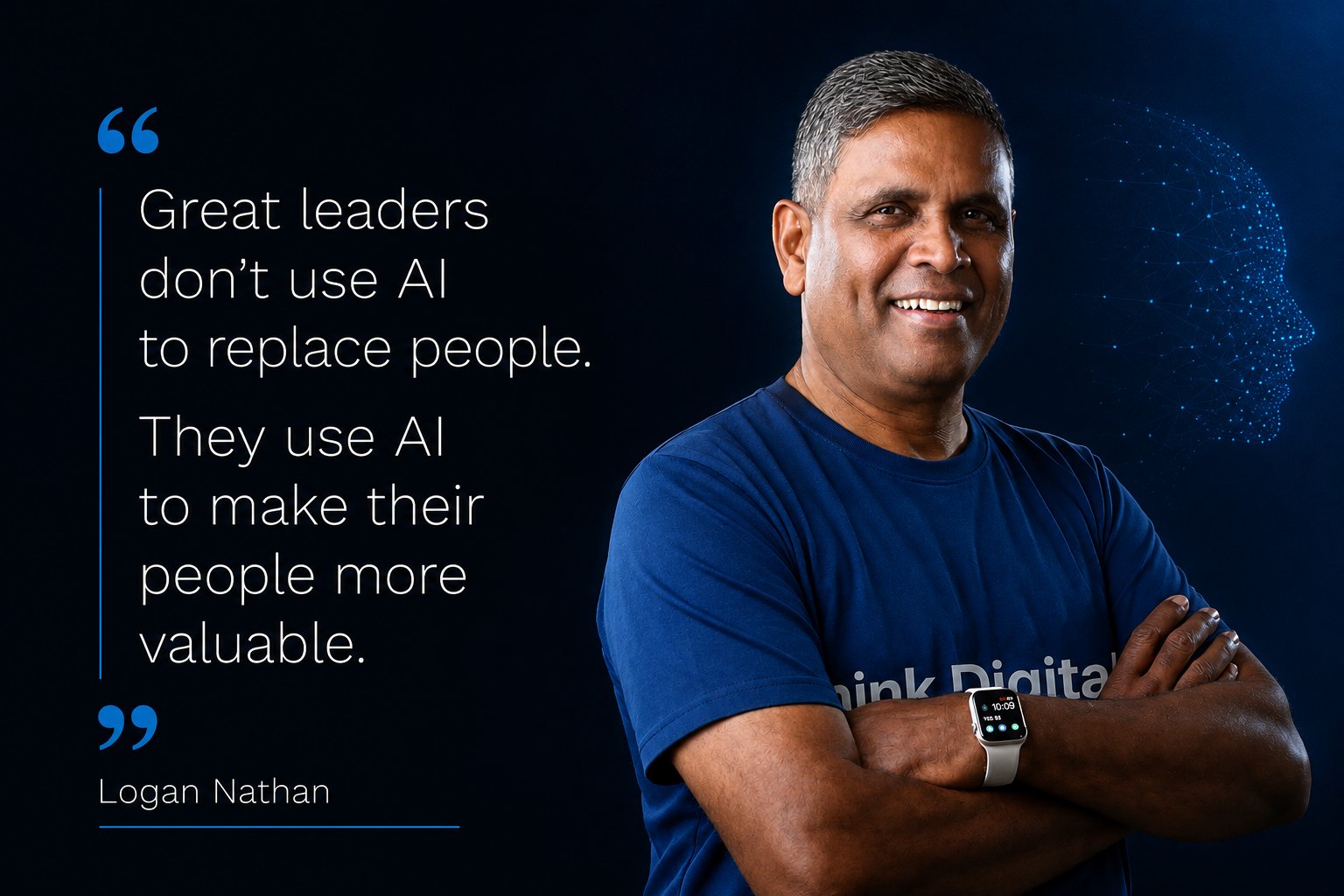
Great leaders don’t use AI to replace people. They use AI to make their people more valuable.
Frequently Asked Questions
Employees fear AI due to job security concerns and the uncertainty surrounding the future of their roles as technology evolves.
AI is more likely to change jobs by automating repetitive tasks, thus allowing human skills to shine in areas requiring emotional intelligence and creativity.
Leaders should communicate openly, focusing on the benefits of AI, involving employees in decision-making, and maintaining transparency to build trust.
Skills like problem-solving, emotional intelligence, and adaptability are crucial, alongside a fundamental understanding of AI technologies.
Success should be measured in terms of productivity, customer satisfaction, and innovation, not merely headcount reduction.