
Share this article

Table of Contents

How AI Transforming Jobs for SME: 2026 Insights

How AI Transforming Jobs for SME: 2026 Insights

Table of Contents

Key Takeaways

  • AI is reshaping SME job roles globally, creating a need for upskilling.

  • New AI-related roles are emerging, while routine jobs are being automated.

  • Australia is actively integrating AI into SMEs, supported by government initiatives.

  • SMEs must invest in employee development to stay competitive in an AI-driven market.

Key Answer

AI is transforming SME jobs by automating routine tasks, creating new roles, and enhancing existing ones. SMEs must adapt through upskilling and embracing AI tools to remain competitive.

In today’s rapidly evolving business landscape, the question of “How AI transforming Jobs for SME” is more pertinent than ever. As AI technologies advance, they bring both challenges and opportunities to small and medium enterprises (SMEs) globally and in Australia. The nature of jobs is shifting, with new roles emerging while others evolve or become obsolete. In this guide, we’ll explore these trends, particularly focusing on the Australian context, and provide actionable strategies for SMEs to thrive in this AI-driven era.

Emerging Job Trends in SMEs

The rise of AI has introduced numerous new roles within SMEs, particularly in tech-focused sectors. For instance, positions like AI Business Translators and Prompt Engineers are increasingly common. These roles focus on integrating AI solutions with business strategies to improve efficiency and productivity. Such positions require a blend of technical acumen and strategic thinking, illustrating the hybrid skill set that is becoming essential in the modern workforce.

Moreover, SMEs are now investing in roles related to data analytics, as AI-driven insights become pivotal for decision-making. The ability to interpret large volumes of data and translate them into actionable business strategies is invaluable. Hence, roles like Data Analysts and AI Strategists are on the rise, demanding expertise in machine learning and data interpretation.

Jobs Disappearing and Evolving Due to AI

While AI creates opportunities, it also renders certain jobs obsolete, especially those involving repetitive tasks. Positions such as data entry clerks and basic customer service roles are being automated, leading to their decline. However, it’s important to note that this doesn’t necessarily mean job loss; rather, it signifies a shift in job functions.

Roles that require human creativity, empathy, and complex problem-solving, such as marketing strategists and customer relationship managers, are evolving. These positions are not disappearing but are being enhanced by AI tools. AI handles data-heavy components, allowing humans to focus on creative and interpersonal aspects.

My Perspective

AI and Workforce Transformation Specialist

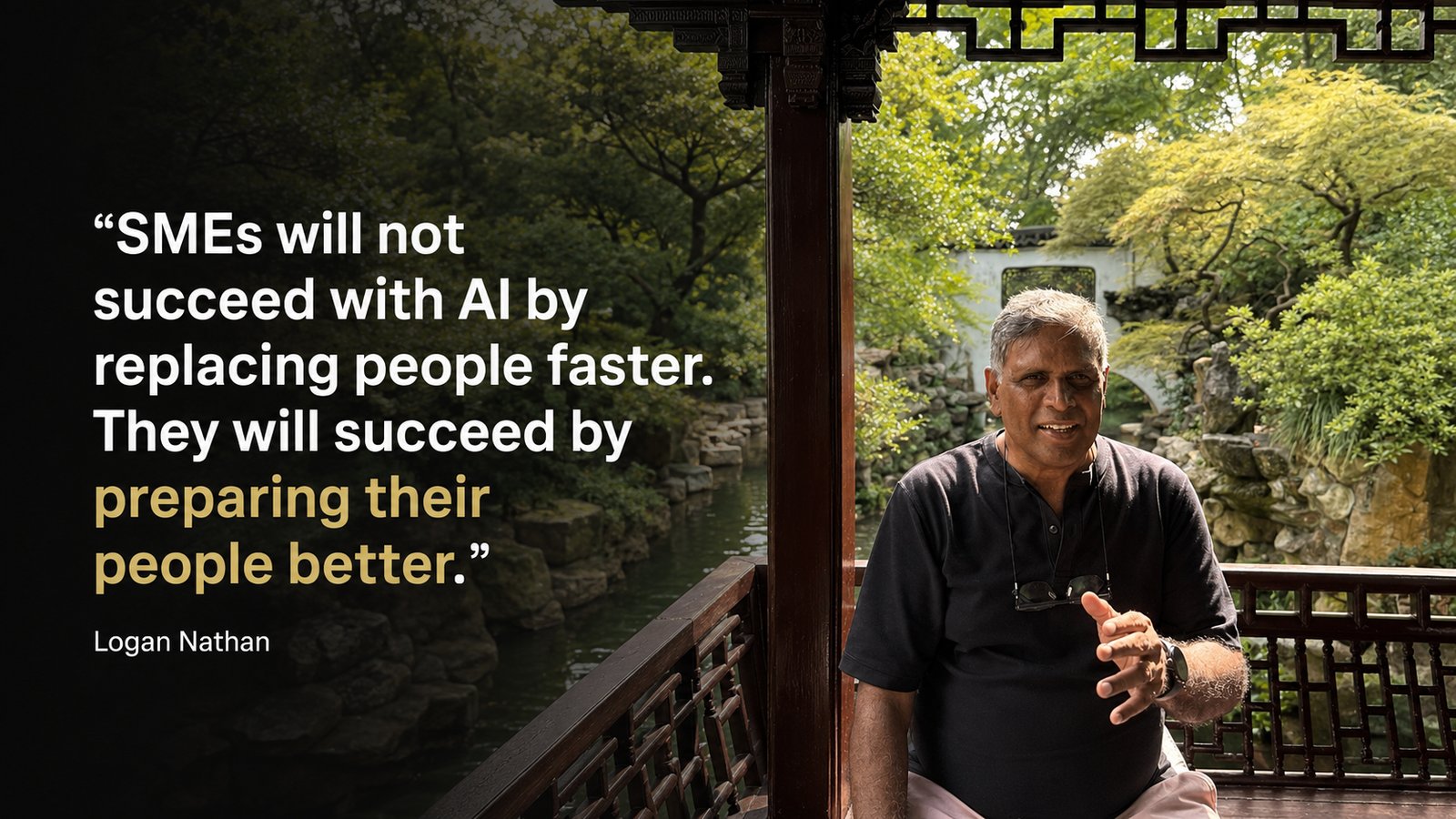
In the dynamic world of AI, SMEs stand at a crossroads. Embracing AI is not just about keeping pace with technology; it’s about redefining how businesses operate. By understanding “How AI transforming Jobs for SME”, we can position ourselves to harness AI’s potential for innovation and growth. With careful planning and strategic integration, AI can become a powerful ally in driving SME success.

The Australian Landscape: AI in SMEs

In Australia, the integration of AI in SMEs is gaining momentum. According to the Jobs and Skills Australia report, there’s a growing demand for AI skills across the country. Industries such as healthcare, agriculture, and finance are leveraging AI to enhance efficiency and innovation.

Moreover, the Australian government is supporting AI adoption through initiatives aimed at boosting SME digital capabilities. These efforts include grants and training programmes designed to equip businesses with the necessary tools and skills to integrate AI effectively. For SMEs, this means an opportunity to upskill their workforce and implement AI strategies that boost competitiveness.

Preparing for an AI-Driven Future

SMEs need a strategic plan to navigate the AI revolution. This involves investing in continuous learning and development programs to upskill employees. By fostering a culture of innovation and adaptability, SMEs can ensure their workforce is prepared for new AI-enhanced roles.

It’s also crucial for business leaders to communicate transparently with their teams about AI’s impact. Involving employees in AI integration processes can alleviate fears and build a collaborative environment. Leaders should emphasise that AI is a tool for empowerment rather than replacement, focusing on the synergy between AI capabilities and human skills.

Furthermore, SMEs can benefit from resources such as the 50 Crucial AI Roles that detail emerging positions in the industry. Such insights can guide businesses in identifying potential areas for AI integration.

Case Study: AI Implementation in an Australian SME

A leading Australian agriculture SME has successfully integrated AI to enhance productivity. The company implemented AI-powered analytics to monitor crop health, resulting in a 20% increase in yield. This technological shift not only optimised operations but also created new roles within the company focused on AI management and analysis.

“The introduction of AI tools has transformed our business model. It’s not just about automation; it’s about unlocking new potential,” says the CEO. This case exemplifies how AI can empower SMEs to innovate and grow while simultaneously creating jobs that align with technological advancements.

As seen in this example, embracing AI doesn’t just improve efficiency; it opens doors to novel business opportunities and roles, highlighting the importance of strategic AI implementation.

Next Steps for SMEs

As we continue to witness the transformative power of AI in SMEs, it’s clear that proactive adaptation is crucial. SMEs should start by assessing their current capabilities and identifying areas where AI can add value. Leveraging resources like the Logan Nathan Blog can offer insights and strategies to effectively integrate AI.

By focusing on upskilling, fostering a culture of innovation, and involving employees in strategic decision-making, SMEs can navigate the challenges of AI implementation. This approach not only positions businesses to thrive in an AI-driven economy but also ensures sustainable growth and competitiveness in the long run.

Interactive Tools to Enhance Understanding

To assist SMEs in understanding and implementing AI, interactive tools such as a quiz to evaluate AI readiness or a calculator to measure potential AI benefits could be invaluable. These tools can offer insights into how AI can specifically impact and improve business operations, providing a clearer path forward for enterprises embarking on their AI journey.

Expert Opinion

In the dynamic world of AI, SMEs stand at a crossroads. Embracing AI is not just about keeping pace with technology; it’s about redefining how businesses operate. By understanding “How AI transforming Jobs for SME”, we can position ourselves to harness AI’s potential for innovation and growth. With careful planning and strategic integration, AI can become a powerful ally in driving SME success.

Frequently Asked Questions

Jobs involving repetitive tasks, such as data entry and basic customer service roles, are being automated in SMEs.

In Australia, AI is creating demand for new roles, particularly in sectors like healthcare, finance, and agriculture, and is supported by government initiatives to boost SME capabilities.

SMEs should focus on upskilling employees, fostering a culture of innovation, and actively involving staff in AI integration processes to prepare for AI-driven changes.

Embracing AI now allows SMEs to enhance efficiency, remain competitive, and seize new opportunities for growth as technology evolves.

Roles such as AI Business Translators, Prompt Engineers, and AI Strategists are emerging, focusing on integrating AI with business strategies.