

Key Takeaways
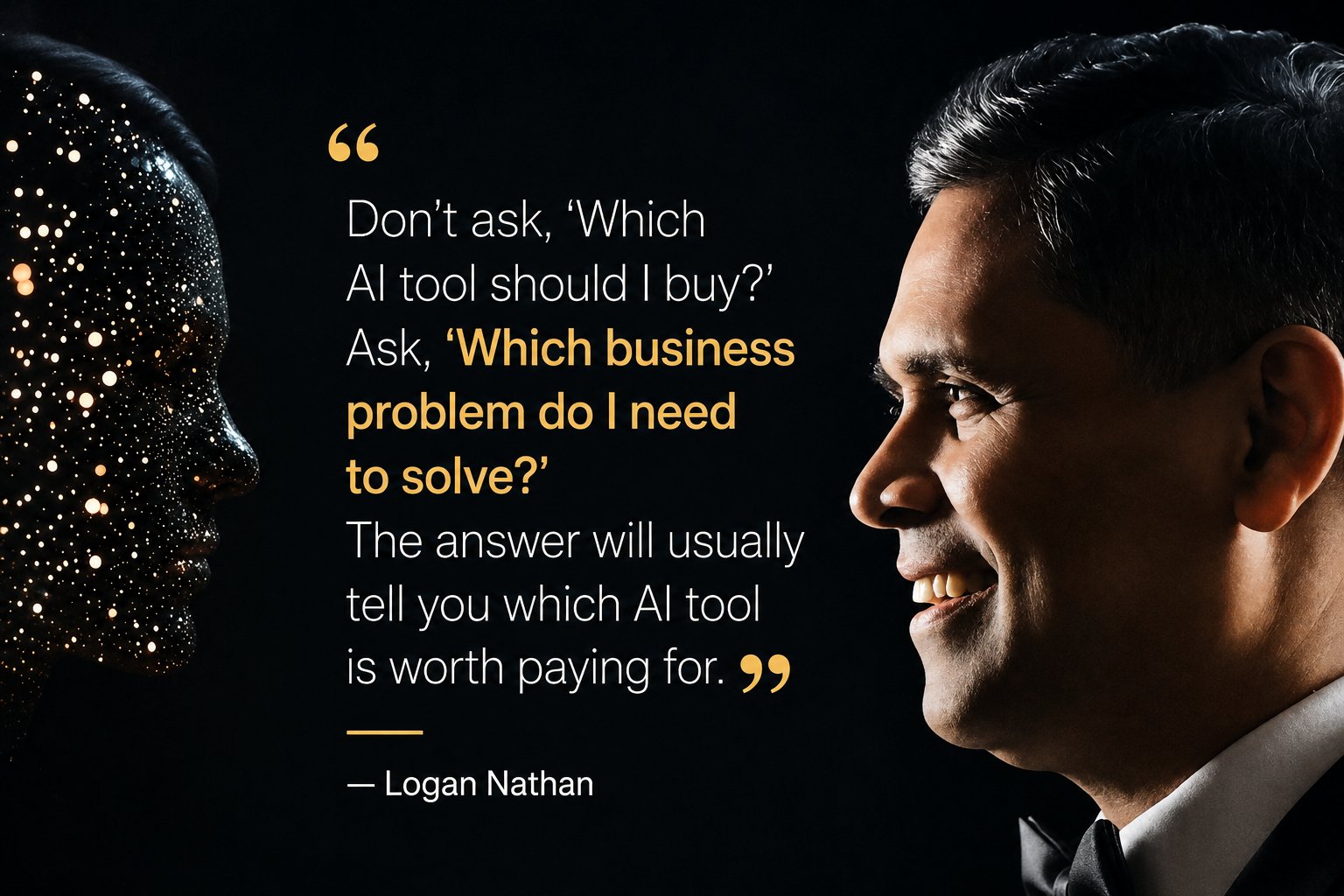
Start with a business problem, not the tool.
Evaluate tools by their impact on your business.
Trial free versions before upgrading.
Invest in tools that solve real business problems.
Key Answer
Evaluating which AI tools are worth investing in depends on solving specific business problems. Start with free versions, then consider paid upgrades for proven ROI and enhanced features.
In the ever-evolving world of technology, choosing which AI tools are actually worth paying for is a significant challenge. As someone who navigates this landscape daily, I’ve seen firsthand how the right tool can revolutionise a business, while the wrong one can quickly become a forgotten line item on the budget. With countless options out there, the key is understanding which tools genuinely add value across different domains such as productivity, creativity, and data analysis.
The Utility of AI Productivity Tools
AI productivity tools have transformed the way businesses operate. From automating mundane tasks to streamlining communication, these tools promise to boost efficiency and cut down on wasted time. Tools like Notion and Trello offer integrated AI capabilities that help teams organise tasks and manage projects seamlessly.
From my perspective, the investment in these tools pays off when they significantly reduce operational friction. For instance, using AI-powered scheduling assistants can save hours each week that would otherwise be spent coordinating meetings. The time saved translates directly to cost savings, which justifies the subscription fees.
A real-world example of this is a Sydney-based marketing agency I worked with. By adopting an AI email assistant, they managed to cut their response time in half, enhancing client satisfaction and increasing their capacity for new projects.
Tool | Subscription Cost | Key Features | Value Proposition |
|---|---|---|---|
Notion | $10/month | Task Management, AI integration | Improves organisation and productivity |
Trello | $12.50/month | Project Management, Automation | Streamlines team workflows |
AI Scheduling Assistant | $15/month | Automated scheduling, Calendar integration | Saves time on meeting arrangements |
Exploring AI Creativity Tools
When it comes to fostering creativity, AI tools are becoming indispensable. They provide fresh perspectives and new ideas, supporting creative professionals in art, design, and content creation. Tools such as Canva and Adobe Sensei leverage AI to automate design tasks, making creative processes faster and more efficient.
These tools are worth their subscription fees when they enable faster turnaround times without compromising on quality. For instance, Canva’s AI features simplify graphic design for both novices and professionals, allowing them to create stunning visuals without extensive training.
In my experience, investing in AI creativity tools offers more than just an increase in output. It gives creative teams the freedom to explore innovative ideas and designs, making it an essential part of any creative strategy.
Tool | Subscription Cost | Key Features | Value Proposition |
|---|---|---|---|
Canva Pro | $12.95/month | Graphic Design, AI-enhancements | Empowers creativity with ease |
Adobe Sensei | Varies | Automated design, Smart filters | Speeds up design processes |
SME Perspective
As an authir on this subject
AI tools, when chosen correctly, can significantly enhance business efficiency and creativity. However, the decision should always be grounded in real-world business needs rather than the allure of cutting-edge technology.
Harnessing AI for Data Analysis
In the realm of data analysis, AI tools can unearth insights that were previously buried in complex datasets. Software like Tableau and IBM Watson Analytics offer advanced capabilities for data visualization and predictive analytics. These tools are designed for professionals seeking to make data-driven decisions.
The worth of these tools is apparent when they transform raw data into actionable insights. For example, using AI for predictive analytics can help businesses in Australia forecast trends and make informed strategic choices. This capability is particularly valuable in sectors like finance and retail, where understanding customer behaviour is critical.
A Melbourne-based retail company found remarkable success by using AI analytics to personalise marketing campaigns, boosting their conversion rates significantly. This real-world application underscores the tangible benefits of investing in AI-powered data analysis tools.
Tool | Subscription Cost | Key Features | Value Proposition |
|---|---|---|---|
Tableau | $70/month | Data Visualisation, Real-time analytics | Transforms data into insights |
IBM Watson Analytics | Varies | Predictive analytics, Natural language processing | Empowers data-driven decisions |
Case Study: Why I Chose to Pay for ChatGPT
“I didn’t pay for ChatGPT because it was the most popular AI tool. I paid for it because it consistently solved real business problems and delivered measurable value.”
My journey with ChatGPT started like many others. I began with the free version to gauge its capabilities. It quickly became a staple in my workflow for tasks like email responses, document summaries, and technical research. Recognising the enhanced performance and features of the paid version, I decided to upgrade. Today, ChatGPT is an invaluable tool in my arsenal. I use it daily to save hours on research and content generation, allowing me to focus on strategy and innovation.
Research complex topics in minutes.
Generate ideas for articles, books, and presentations.
Review contracts and business documents.
Prepare agendas, reports, and customer communications.
Create and refine marketing content.
Use as a thinking partner.
This experience illustrates the importance of aligning AI tool investments with business goals. SMEs should follow a similar approach–trial free versions, upgrade when you see tangible benefits, and always evaluate tools based on the value they add to your business.
For more insights on optimising your AI choices, visit Choosing the Right AI for Your SME: A Guide.
Avoiding AI Tool Overload
It’s easy to fall into the trap of signing up for every promising tool that hits the market. However, I’ve found that focusing on a streamlined, effective AI stack is far more beneficial. The key is to prioritise tools that address specific business needs and integrate seamlessly into existing workflows.
This approach not only prevents overlapping capabilities but also maximises the ROI of each tool. By selecting a core stack, such as one language model paired with a task-specific tool, businesses can avoid AI fatigue and maintain a clear focus on their objectives.
For those navigating the AI landscape, understanding the importance of a well-curated AI stack cannot be overstated. To explore more about building a robust AI strategy, check out AI Workflows – Logan Nathan.
The Cost of Inaction
In today’s competitive market, the cost of inaction can be higher than the subscription fees of even the most advanced AI tools. Delaying AI adoption may mean missing out on efficiency gains, competitive advantages, and the ability to scale operations effectively.
In my experience, the decision to invest in AI should not be driven by the tools themselves but by the potential improvements in business performance. Whether it’s enhancing customer experience, improving decision-making, or increasing productivity, the right AI tools can be a catalyst for growth.
Remember, investing in AI is about aligning tools with strategic goals. Start by identifying the areas where your business stands to gain the most, and choose tools that support those objectives.
Interactive Tools to Enhance Decision-Making
Interactive Tool Idea: Consider using an AI Subscription ROI Calculator. This tool could help users estimate the return on investment from various AI tools based on their business needs and potential time savings.
Another interactive tool to consider is an AI Tool Selector Quiz. This quiz would guide users to the right AI tool based on their specific business challenges, offering personalised recommendations.
These interactive elements can significantly enhance decision-making by providing tailored insights and fostering informed choices.
Final Thoughts
Choosing which AI tools are actually worth paying for requires a strategic approach, focused on solving specific business challenges. By trialing free versions and upgrading to paid plans only when they demonstrate clear value, businesses can ensure they are investing wisely in technology that truly transforms their operations.
Frequently Asked Questions
Consider how the tool solves real business problems, its cost-effectiveness, and whether it integrates well with existing workflows.
Yes, if they align with business goals and deliver measurable improvements in efficiency and performance.
Focus on a streamlined stack of tools that address specific needs, avoiding overlapping features and AI fatigue.
It refers to the missed opportunities and competitive disadvantages that arise from delaying AI adoption.
Tools like Canva Pro and Adobe Sensei are excellent for enhancing creativity and streamlining design tasks.
Sources & Further Reading
#AITools #BusinessStrategy #TechInnovation